Taking the picture is just the first step. Once a photoshoot is finished, the images usually need some work before they are ready to be delivered to a client, uploaded to a website, added to a catalog, or used in an advertisement. Lighting may need adjustment. Colors may not look quite right. There could be dust on a product, distractions in the background, or small imperfections that were not noticeable during the shoot.
This is where photography post-production services become important. Post-production is the stage where photographs are carefully edited and prepared for their final purpose. Some images may only need basic adjustments, while others require detailed retouching or complex Photoshop work. The amount of editing depends on the type of photography, the client’s expectations, and where the final images will be used.
What Does Photography Post-Production Involve?
Photography post-production is the work done on a photo after the shoot is finished.
A photographer might spend hours planning a shoot and take hundreds of images in a single session. Even when the camera settings and lighting are carefully controlled, the final photographs may still need adjustments.
For example, a portrait might need natural skin retouching. A product photograph may need its background removed. A fashion image could require clothing cleanup and color adjustment. A real estate photograph may need exposure and lighting corrections.
In simple terms, post-production takes the original photograph and prepares it for its intended use.
Good editing doesn’t always require big changes. Sometimes, a few small adjustments can make a photo look better while keeping it natural. The photograph should look cleaner and more polished without appearing obviously edited.
What Is Included in Photography Post-Production Services?
There is no single editing process that works for every photograph. The editing depends on the photo and the look the client wants.
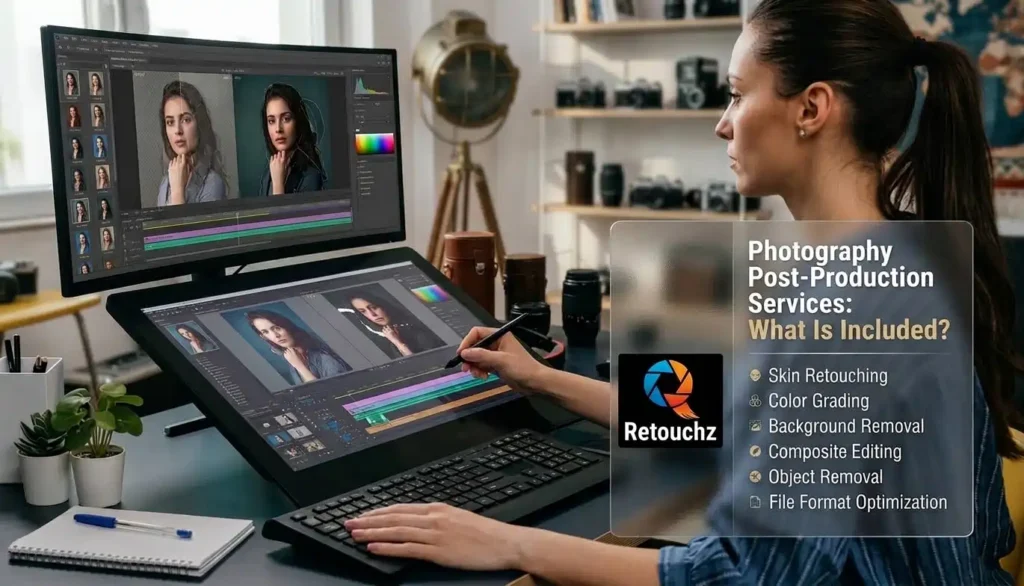
Some common services include color correction, retouching, background removal, clipping paths, masking, object removal, shadow creation, image manipulation, and resizing.
Here are some common post-production services.
1. Color Correction and Image Enhancement

Color is one of the first things people notice when they look at a photograph.
Images can sometimes appear too dark, too bright, too warm, or too cool because of the lighting conditions during the shoot. Products may also look different from their actual color.
Color correction helps bring the photograph closer to the desired appearance.
An editor may adjust:
⦁ Exposure
⦁ White balance
⦁ Brightness
⦁ Contrast
⦁ Highlights
⦁ Shadows
⦁ Saturation
⦁ Color temperature
For a single photograph, these changes may be quite simple. For a large collection of images, consistency becomes more important.
For example, an online store may have hundreds of product photographs. If every image has a slightly different white balance or brightness level, the website can look inconsistent. Careful editing helps create a more uniform appearance.
2. Professional Photo Retouching
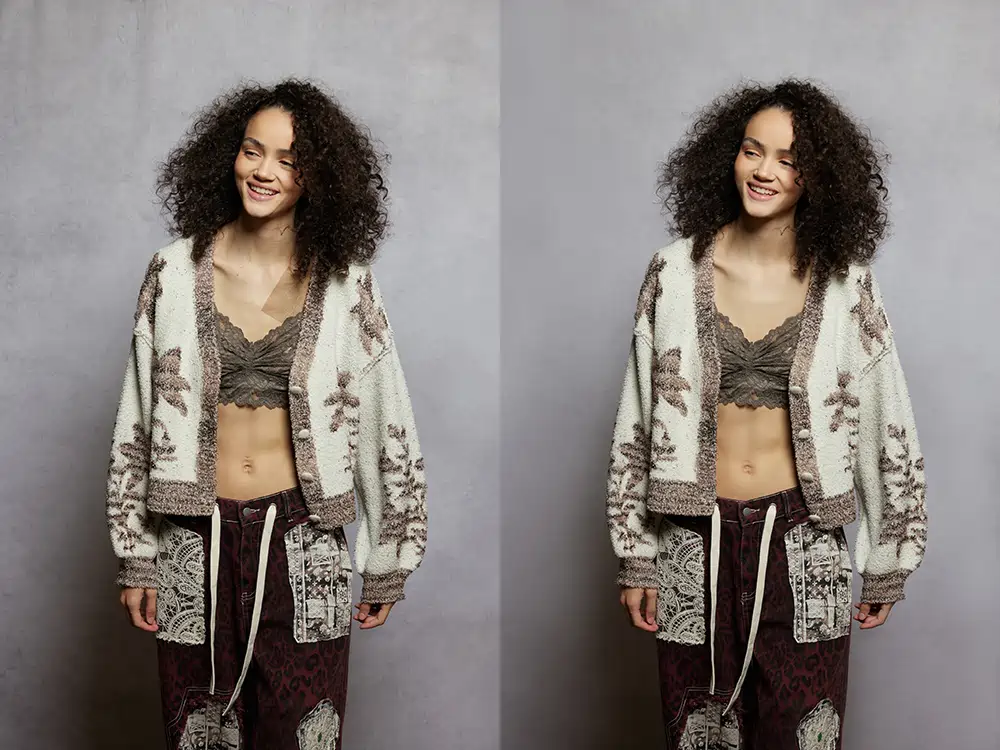
Not every problem in a photograph can be fixed with a simple brightness or color adjustment.
Photo retouching focuses on specific details within an image.
Depending on the project, an editor may remove dust, clean product surfaces, reduce temporary skin imperfections, tidy clothing, or remove small distractions.
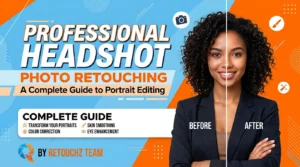
Portraits are a common example. Professional photo retouching can improve the overall appearance of a portrait while keeping natural skin texture and facial details.
Good retouching should make a photo look better without making it look fake.
For commercial photography, retouching can be more detailed because the images may be used for advertising campaigns, magazines, packaging, websites, or promotional materials.
3. High-End Photo Retouching
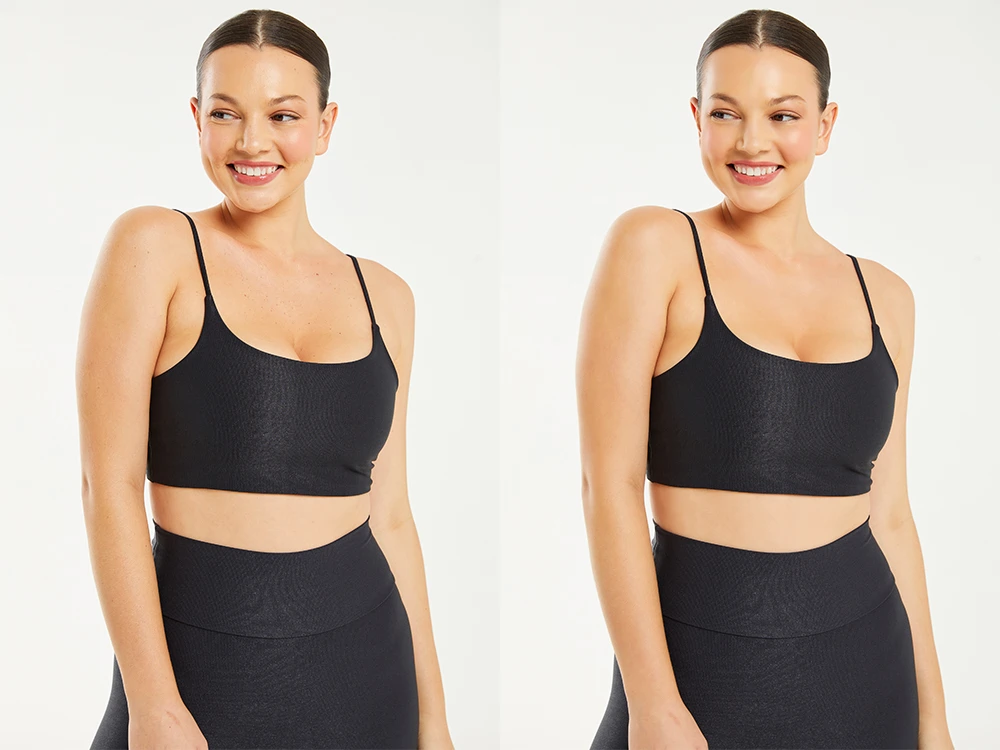
Some photographs need a much more detailed level of work.
High-end photo retouching is often used when every visible detail matters. Fashion, beauty, jewelry, advertising, and luxury product photography are common examples.
An editor may work carefully on:
⦁ Skin texture
⦁ Hair
⦁ Clothing
⦁ Fine details
⦁ Product surfaces
⦁ Highlights and reflections
⦁ Shadows
⦁ Textures
⦁ Small imperfections
Unlike a quick filter or basic adjustment, this type of work can involve detailed Photoshop editing at the pixel level.
Good editing makes a photo look better and still feel natural. The image should feel polished while still looking believable.
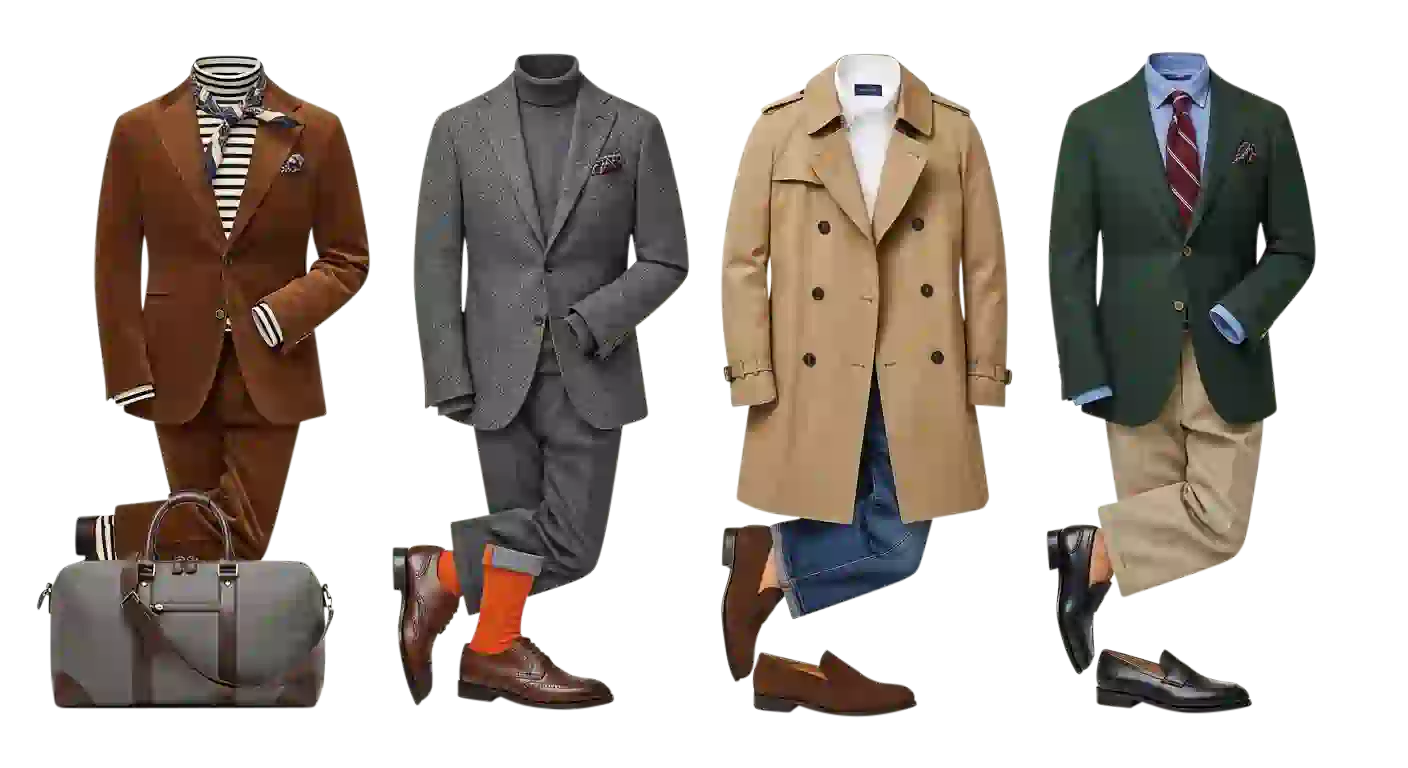
4. Background Removal
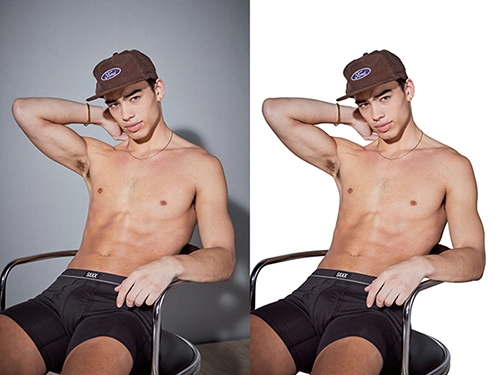
A background can sometimes distract from the main subject.
For product photos, businesses often prefer a clean white or transparent background. Removing the original background makes this possible.
Background removal services are commonly used for:
⦁ Product images
⦁ Clothing
⦁ Shoes
⦁ Jewelry
⦁ Furniture
⦁ Electronics
⦁ Catalog photography
⦁ eCommerce listings
The editor separates the main subject from the original background and prepares it for a new background or a transparent canvas.
For a business with hundreds of products, maintaining the same background style across the entire catalog can make a significant difference to the overall presentation.
5. Clipping Path Services

A clipping path is a precise path created around an object so it can be separated from its background.
This works best for products with clean and clear edges.
Common examples include shoes, bags, bottles, furniture, electronics, and many types of clothing.
Once the path has been created, the subject can be isolated and used for other editing work. The background can be changed, the product can be placed into a different layout, or the image can be prepared for a catalog.
For simple shapes, clipping paths provide a clean and controlled way to create a product cutout.
6. Image Masking
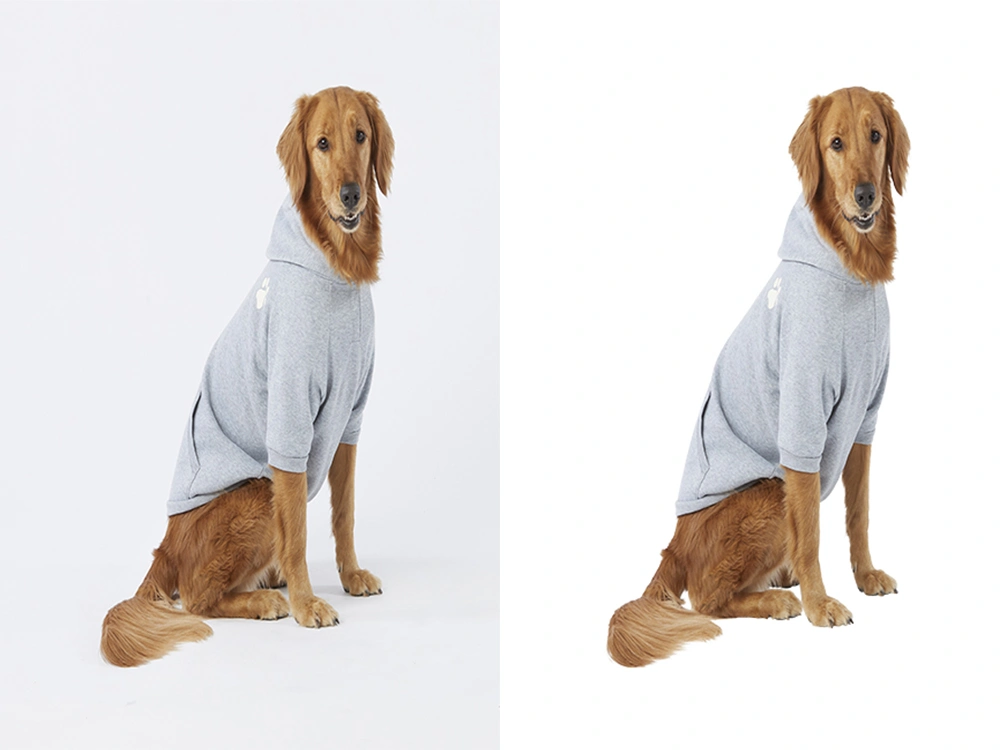
Some photographs are more difficult to cut out than others.
Hair, fur, feathers, transparent materials, and fine fabric edges can contain details that are difficult to handle with a standard clipping path.
This is where image masking services are useful.
Masking allows an editor to carefully separate complicated areas while preserving important details.
For example, a fashion photo of a model with loose hair around her face. Simply cutting around the general outline could remove those fine strands. Proper masking can preserve much more of the original detail.
The same principle applies to products made from transparent or semi-transparent materials.
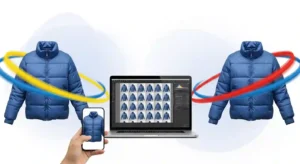
7. Ghost Mannequin Photo Editing
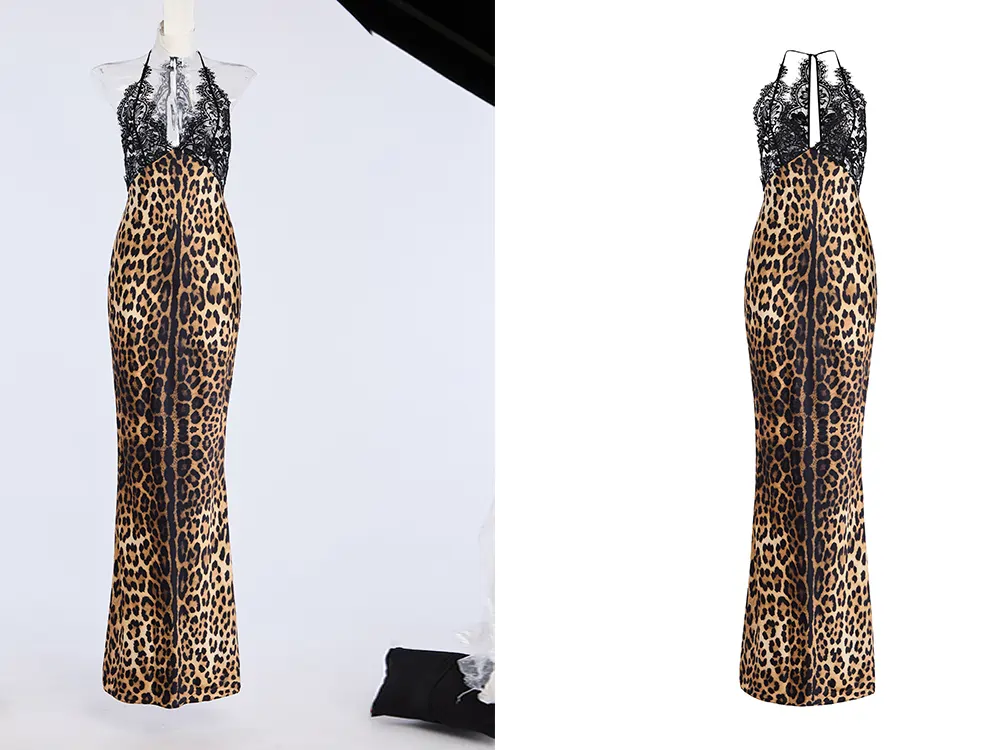
Clothing companies often need product images that show how a garment looks when worn but do not want the mannequin or model visible.
Ghost mannequin editing helps create this look. First, the clothes are photographed on a mannequin.
During post-production, the mannequin is removed, and additional photographs may be combined to show parts of the garment that were hidden while it was being photographed.
The final photo makes the mannequin look invisible.
This is often used for:
⦁ T-shirts
⦁ Shirts
⦁ Dresses
⦁ Jackets
⦁ Coats
⦁ Trousers
⦁ Sweaters
For online clothing stores, this style can provide a clean and consistent way to display products.
8. Product Photo Editing for eCommerce
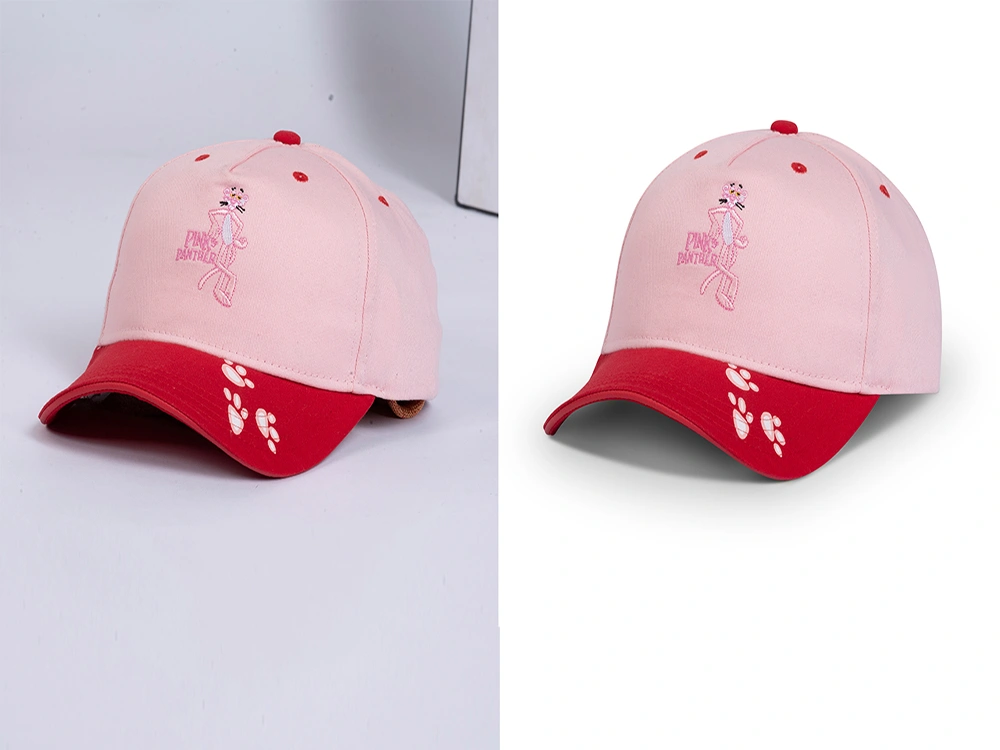
Online shoppers cannot physically pick up a product before placing an order. The product photographs therefore have an important role in the buying process.
Product photo editing helps businesses present their products clearly and consistently.
Depending on the product, editing may involve several steps:
⦁ Removing the background
⦁ Correcting colors
⦁ Cleaning dust and marks
⦁ Retouching the product
⦁ Creating natural shadows
⦁ Adjusting brightness
⦁ Cropping
⦁ Resizing
⦁ Preparing the final file
For large eCommerce catalogs, consistency is just as important as individual image quality.
If one product has a gray background, another has a yellow background, and another has a completely different crop, the store may look unorganized. A consistent editing workflow helps create a more professional presentation.
9. Shadow and Reflection Creation

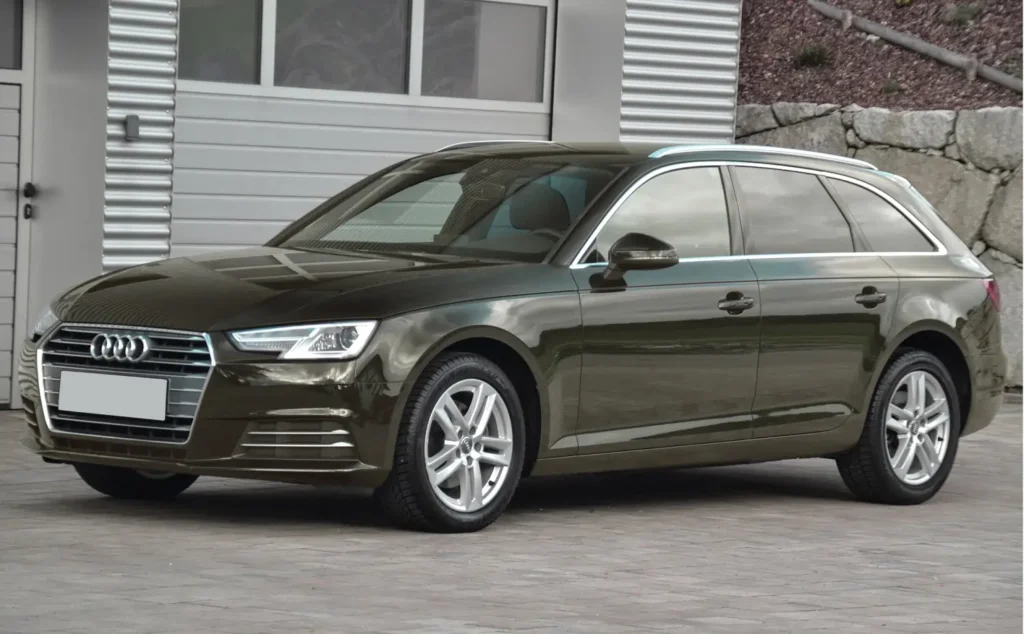
A product placed on a plain white background can sometimes appear as if it is floating.
Adding a suitable shadow can give the image more depth and make the product feel grounded.
Editors may create different types of shadows depending on the photograph, including:
⦁ Natural shadows
⦁ Drop shadows
⦁ Cast shadows
⦁ Soft shadows
⦁ Reflection shadows
The important part is making the shadow believable. The image should help showcase the product without taking attention away from it.
This is particularly useful for eCommerce and commercial product photography.
10. Unwanted Object Removal
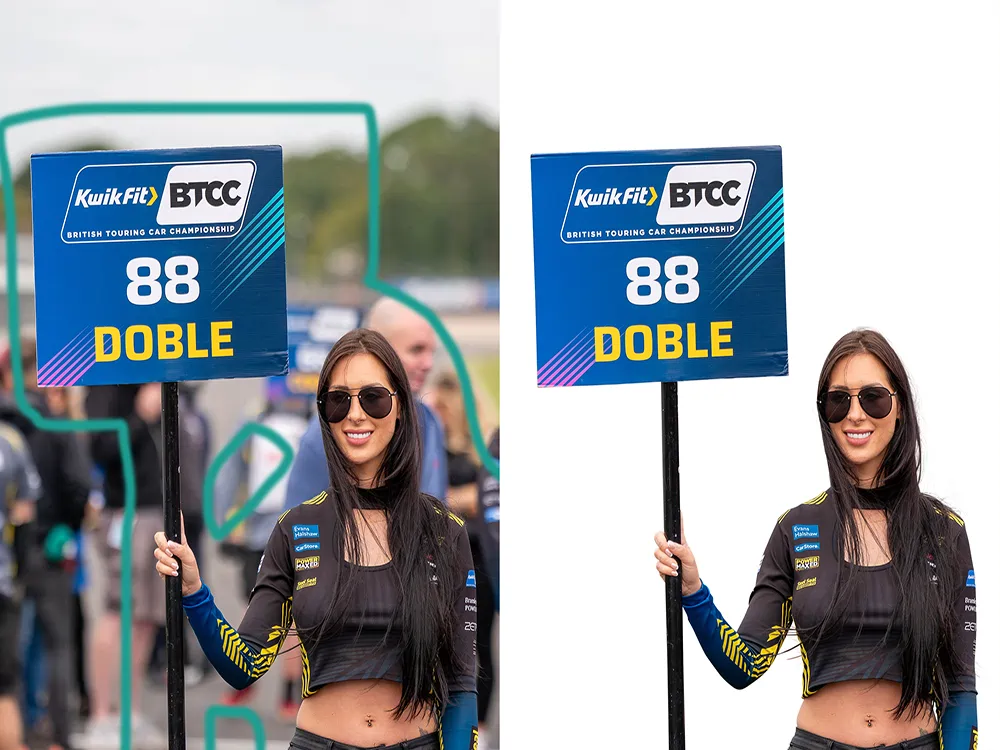
Sometimes a photograph is almost perfect except for one distracting element.
It could be a cable, sign, person, piece of equipment, mark, or object in the background.
Object removal from photos allows these distractions to be cleaned up without changing the important parts of the image.
Depending on the background, the editor may need to reconstruct the area after removing the object. Simple backgrounds are usually easier, while detailed environments require more careful work.
This type of editing is useful in product, real estate, wedding, travel, commercial, and advertising photography.
11. Photo Manipulation and Compositing
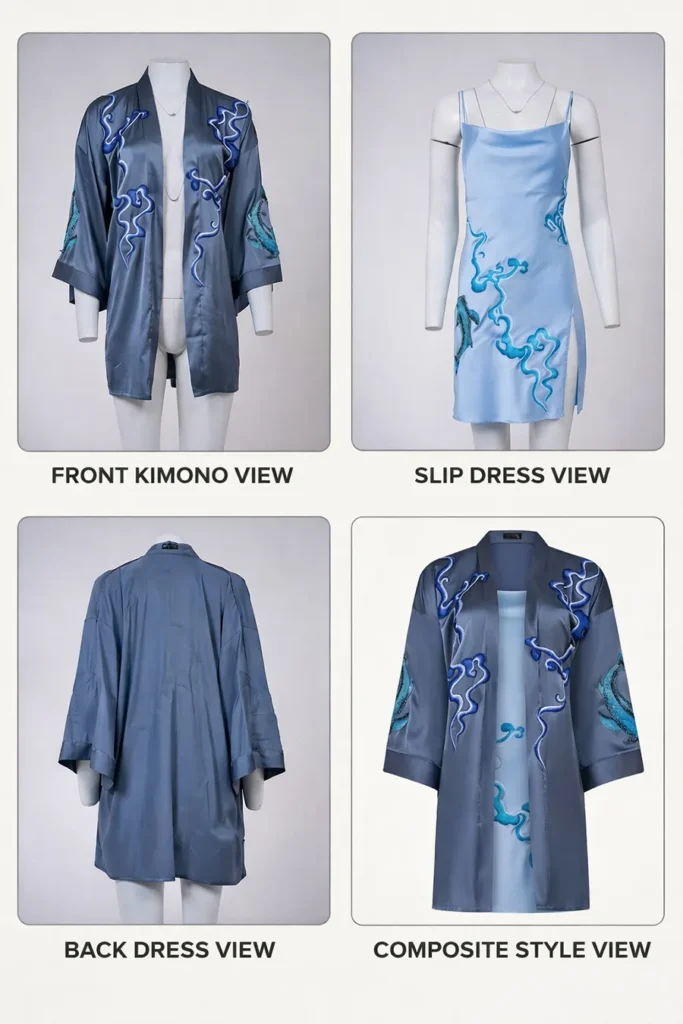
Some creative projects require more than correcting an existing photograph.
Photo manipulation services can change or combine elements to create a specific visual concept.
For example, an editor might:
⦁ Replace a sky
⦁ Change a background
⦁ Combine several photographs
⦁ Add or remove elements
⦁ Create an advertising composition
⦁ Place a product into a new environment
⦁ Combine different exposures
Photo compositing is especially common in advertising and commercial campaigns where the final image needs to communicate an idea that would be difficult or impossible to capture in one photograph.
This work requires careful attention to lighting, perspective, color, and shadows so the different elements look as though they belong together.
12. Cropping and Image Resizing
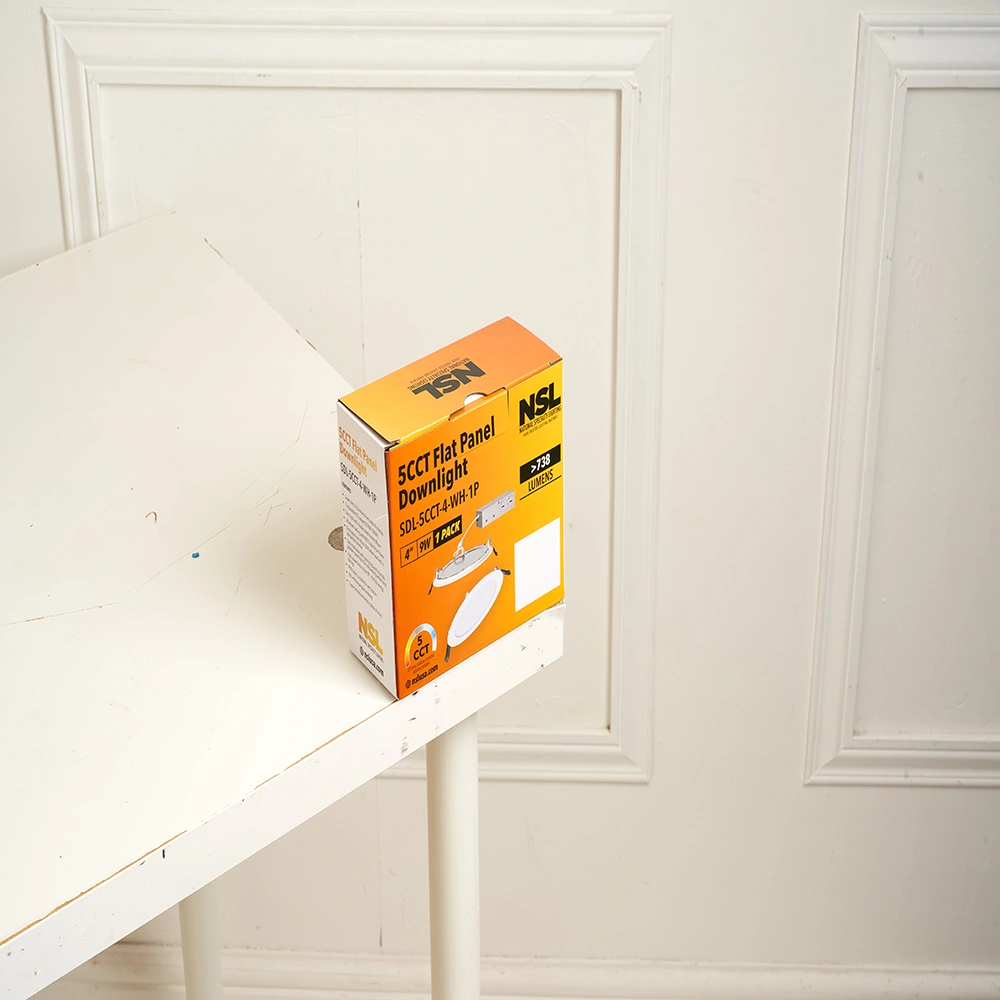
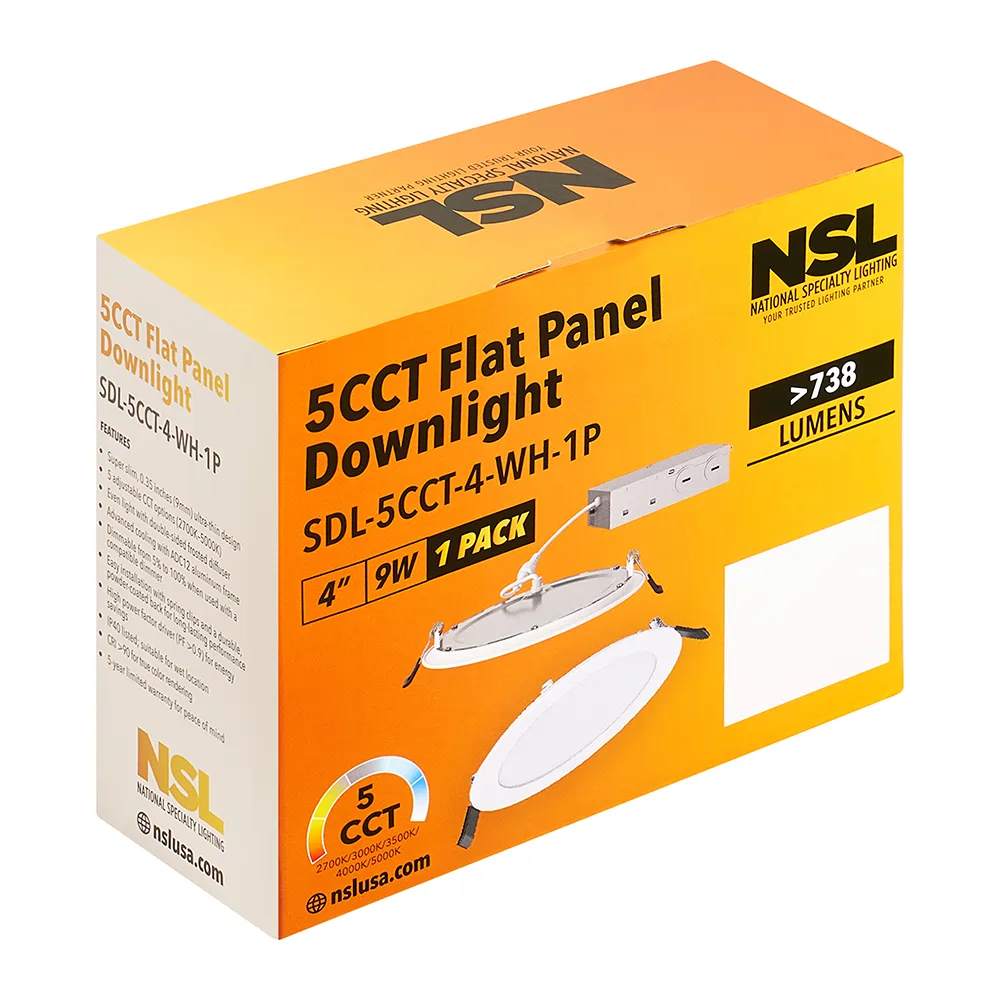
The same photograph may need to be used in several places.
A website may require one dimension, an online marketplace may have another requirement, and a social media platform may use a different aspect ratio.
Image resizing services help prepare photographs for these different uses.
Editors may also crop an image to improve its composition or draw attention to the main subject.
Common uses include:
⦁ Websites
⦁ eCommerce stores
⦁ Online marketplaces
⦁ Social media
⦁ Digital advertisements
⦁ Printed catalogs
⦁ Marketing materials
Resizing should be done carefully because poor scaling can reduce image quality or distort the subject.
Photography Post-Production for Different Industries
The editing requirements are not the same for every type of photography.
A photographer working with portraits has very different needs from an eCommerce company managing thousands of product images.
eCommerce Photography
eCommerce photo editing is mainly focused on creating clean, consistent product images.
Depending on the product, the workflow may include background removal, color correction, retouching, clipping paths, shadows, resizing, or ghost mannequin editing.
The goal is clear, consistent product presentation.
Fashion Photography
Fashion images often require a combination of retouching and creative editing.
Editors may work on skin, clothing, colors, backgrounds, wrinkles, stray hairs, and other details.
The challenge is to create a polished image without removing the characteristics that make the photograph look real.
Real Estate Photography
Property photographs need to show rooms and spaces clearly.
Real estate photo editing may involve exposure correction, color adjustment, shadow and highlight balancing, perspective correction, and removal of distracting objects.
For interiors with difficult lighting, editors may also combine multiple exposures to create a more balanced final photograph.
Jewelry Photography
Jewelry is one of the more demanding areas of product editing because small imperfections can become very noticeable.
Jewelry photo retouching may involve removing dust and scratches, improving metal surfaces, correcting color, cleaning gemstones, and controlling reflections.
The objective is to make the piece look attractive while keeping its materials, shape, and important details believable.
Wedding Photography
Wedding photographers often work with large collections of photographs.
The editing process may include exposure and color correction, cropping, skin retouching, and general image enhancement.
Because clients expect the entire collection to look consistent, maintaining a similar editing style from the first photograph to the last is important.
Why Is Post-Production Important?
A good photograph can still benefit from careful post-production.
Ever wondered how professional editing can make an image look more polished and eye-catching? Here are a few key reasons photographers and businesses choose it.
It Improves Overall Presentation
Small corrections can make an image look cleaner and more polished without changing its original character.
It Creates Consistency
When a business uses hundreds of images, consistent colors, backgrounds, crops, and lighting can make its visual content feel more professional.
It Saves Photographers Time
Editing can take hours, particularly when a project contains hundreds or thousands of photographs. Outsourcing repetitive tasks can allow photographers to spend more time shooting and working with clients.
It Supports Brand Identity
Businesses often want their photographs to follow a particular visual style. A consistent post-production process can help maintain that style across websites, catalogs, advertisements, and social media.
It Helps Prepare Images for Different Platforms
Images often need different dimensions, backgrounds, file formats, or crops depending on where they will be published.
Post-production prepares the files for those requirements.
Should You Outsource Photography Post-Production?
Editing a small number of photographs yourself may be perfectly practical.
The situation changes when the workload becomes large.
A photographer may return from a shoot with hundreds of images. An eCommerce company may have thousands of product photographs waiting to be processed. Spending all of that time in Photoshop can take attention away from other parts of the business.
Outsourcing can help reduce that workload.
A professional editing team can handle repetitive work such as retouching, background removal, color correction, clipping paths, masking, and product image preparation.
Before choosing a provider, however, it is worth checking their previous work and testing their service with a small batch of images.
How to Choose a Photo Editing Service
Not every editing company will be a good fit for every project.
Here are a few important things to consider before making your decision.
Look at Their Portfolio
A portfolio gives you a better idea of the company’s editing quality and whether its style matches your requirements.
Check the Turnaround Time
If you have client deadlines, make sure the provider can handle your expected volume within the required timeframe.
Ask About Revisions
Even with clear instructions, an image may occasionally need a change. Find out how revisions are handled before starting a large project.
Test Their Consistency
If you are sending hundreds of photographs, editing one image well is not enough. The provider should deliver consistent quality throughout the entire batch.
Consider Data Security
When outsourcing, you may be sharing original photographs and other business files. Choose a provider that takes file handling and confidentiality seriously.
Start With a Small Batch
A trial project is one of the simplest ways to evaluate editing quality, communication, turnaround time, and attention to instructions before committing to a large order.
How Much Do Photography Post-Production Services Cost?
There is no single price for post-production because the amount of work can vary considerably from one project to another.
Basic adjustments are generally less demanding than detailed retouching or complex Photoshop manipulation.
Pricing can depend on:
⦁ Number of images
⦁ Type of editing
⦁ Image complexity
⦁ Retouching requirements
⦁ Turnaround time
⦁ Special instructions
⦁ Order volume
For example, removing a simple background may require only a few minutes, while detailed fashion or jewelry retouching can require much more careful work.
For this reason, many professional editing companies price projects according to the actual work involved rather than using one fixed rate for every photograph.
Final Thoughts
Photography doesn’t end when the shutter is pressed.
The editing stage is where many photographs are cleaned up, refined, and prepared for their final purpose. Sometimes that means a simple color adjustment. In other cases, it may involve detailed retouching, background removal, masking, compositing, or product editing.
The best approach depends on the photo and how you plan to use it.
For photographers, studios, eCommerce businesses, agencies, and brands handling large volumes of images, outsourcing can also make the production process easier and more efficient.
Good post-production should not make a photograph look fake. It should bring out the strengths of the original image while keeping the result clean, natural, and appropriate for its intended use.
Frequently Asked Questions
What are photography post-production services?
They are editing services performed after photographs have been captured. Depending on the project, they can include color correction, retouching, background removal, masking, clipping paths, object removal, compositing, and image resizing.
What does photo post-production include?
The work varies from project to project. Common tasks include adjusting exposure and color, cleaning imperfections, removing backgrounds, retouching subjects, creating shadows, resizing images, and preparing files for their final use.
What makes photo retouching different from photo editing?
Photo editing is a broad process that includes different ways of improving and adjusting an image. Retouching usually involves more specific improvements to details such as skin, products, clothing, dust, scratches, or other imperfections.
What is the typical turnaround time for post-production?
It depends on the number of photographs and the complexity of the work. Basic corrections can be relatively quick, while detailed retouching and complex manipulation may take considerably longer.
Can photographers outsource post-production?
Yes. Many photographers and studios outsource editing when they have a large workload or prefer to spend more time on photography and client work.
Is professional photo editing worth the cost?
Professional editing saves time and keeps your images consistent. Its value depends on your photo count and editing needs.